

Concept Art, Worldbuilding & Design Leadership

Imaginative
Leader
Concept Artist
Narrative Designer
Illustrator
Storyteller
Worldbuilder
Visual Developer
Graphic Designer
Character Designer
Imaginative
Detail-Oriented
Prop Designer
Narrative Designer

My name is Zach, and I've been building worlds since I could hold a crayon.

Let's Build Worlds Together

Stories give us meaning, and concept art translates that meaning into intuitive understanding. The stories we tell shape the characters, creatures, and weapons that fill a world and define the challenges players will overcome. But storytelling doesn't stop at the edge of the screen, it has to push beyond that multi-colored boundary to communicate gameplay to the player. 

That's why designs should focus on clarity. I’ve always been fascinated by the psychology of us being able to quickly understand visual information. It’s the foundational story of our survival. So when I design a character, a creature or weapon I lean on those psychological principles to inform my every decision.

Ultimately, my goal is to create designs that tell a story at a glance, communicate their purpose with minimal explanation, and give my teammates a strong foundation to build from.

Hi! I'm Zach Britton

I’m a concept artist, illustrator, and storyteller with over 10 years of experience turning ideas into compelling worlds. Drawing on a background in design leadership and product development, I combine creative problem-solving, visual exploration, and systems thinking to create characters, environments, and illustrations that support story, gameplay, and brand experiences.

I help teams and audiences feel the story that drives the design. Whether that’s bringing a fantasy world to life or improving product adoption. Great design ends and begins with the story you aim to tell.

My Process

Writing

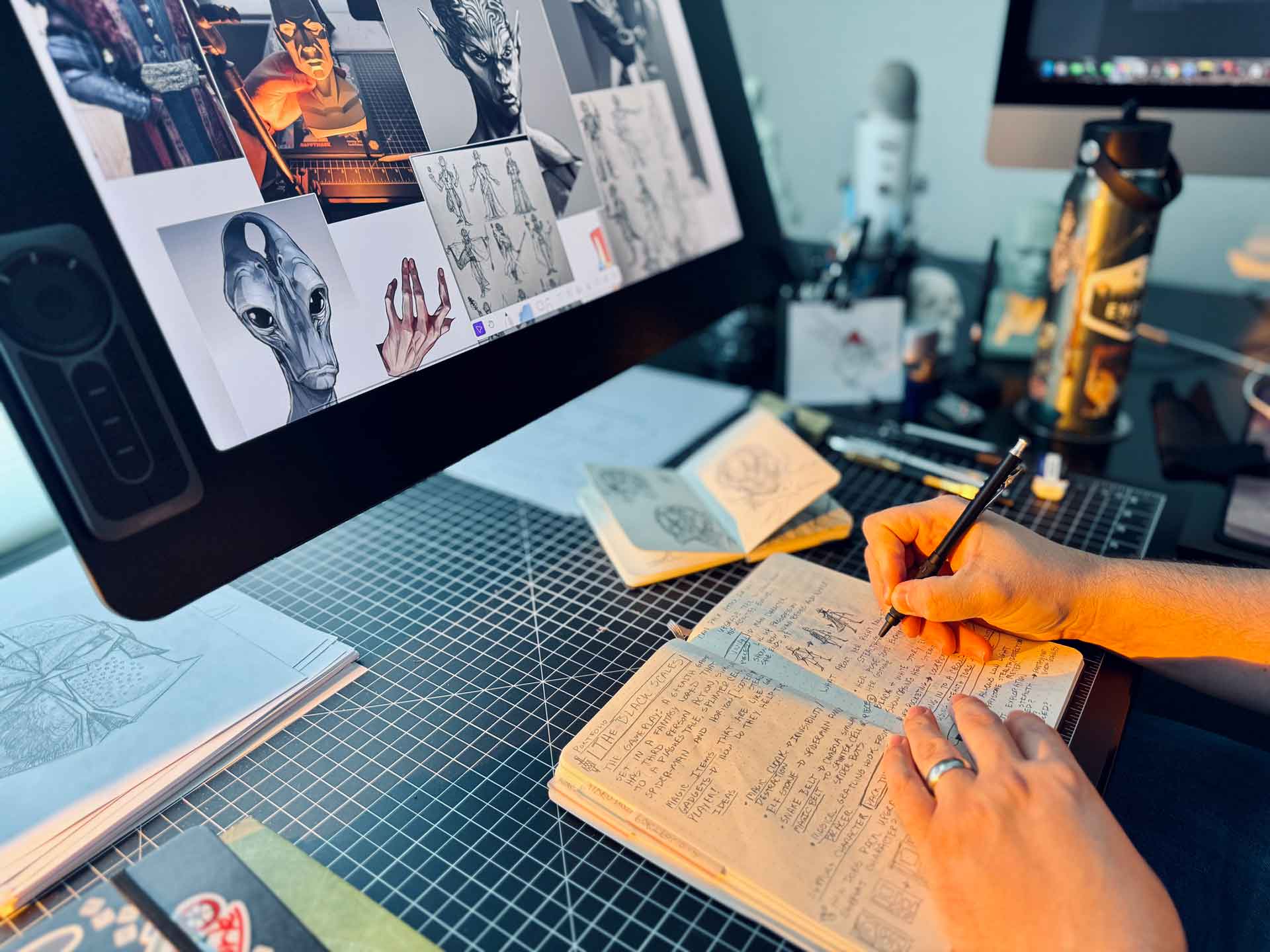
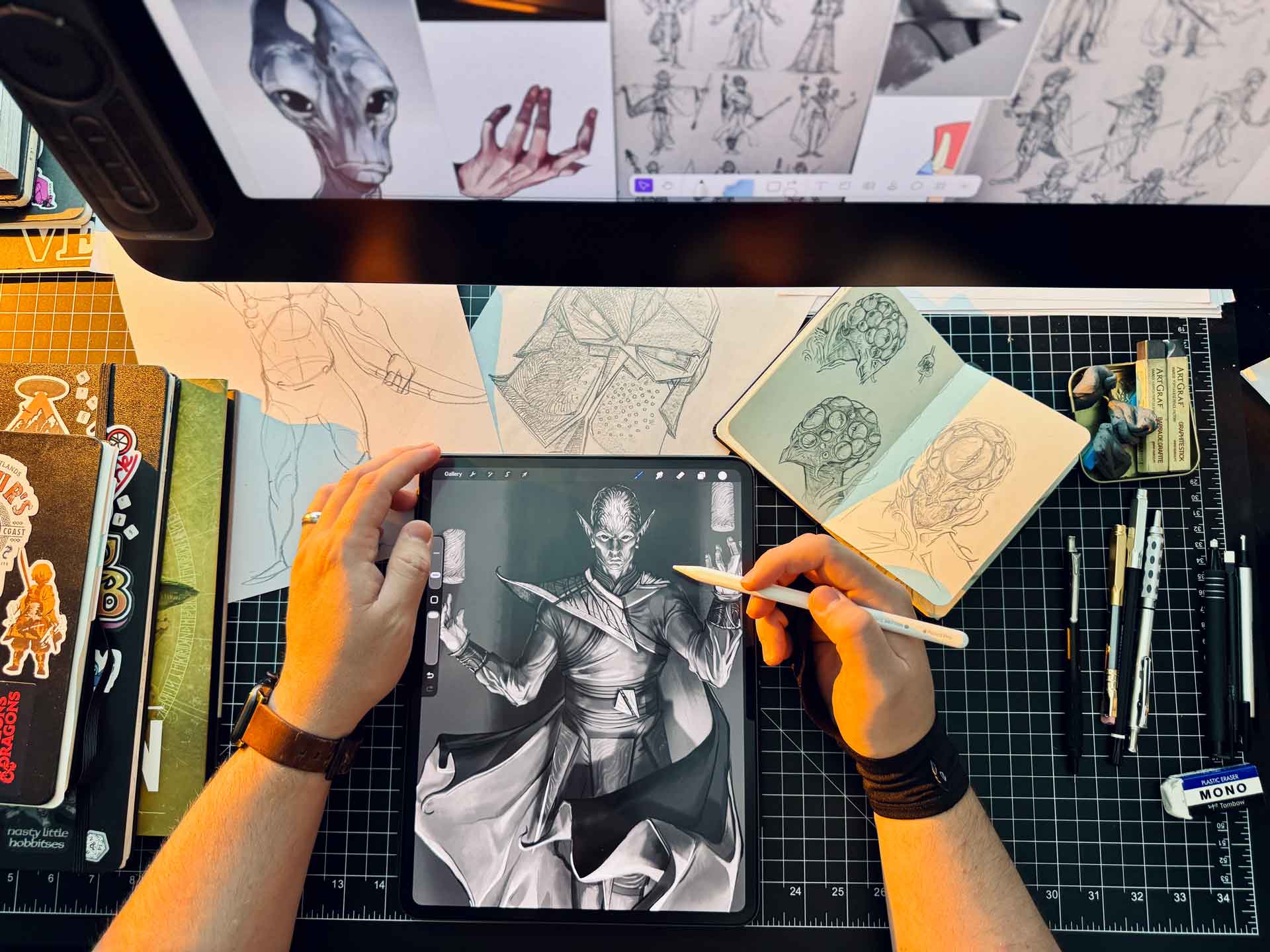
To me, concept art, design, or illustration begins with thinking, and I do my best thinking when I’m writing, so I often start there. Whether it’s a quick note in a sketchbook or writing out various options in a thought web, I like to begin my process by putting my thoughts to paper. I think it’s the quickest way to eliminate options and clarify my art direction.

Reference & Inspiration Gathering

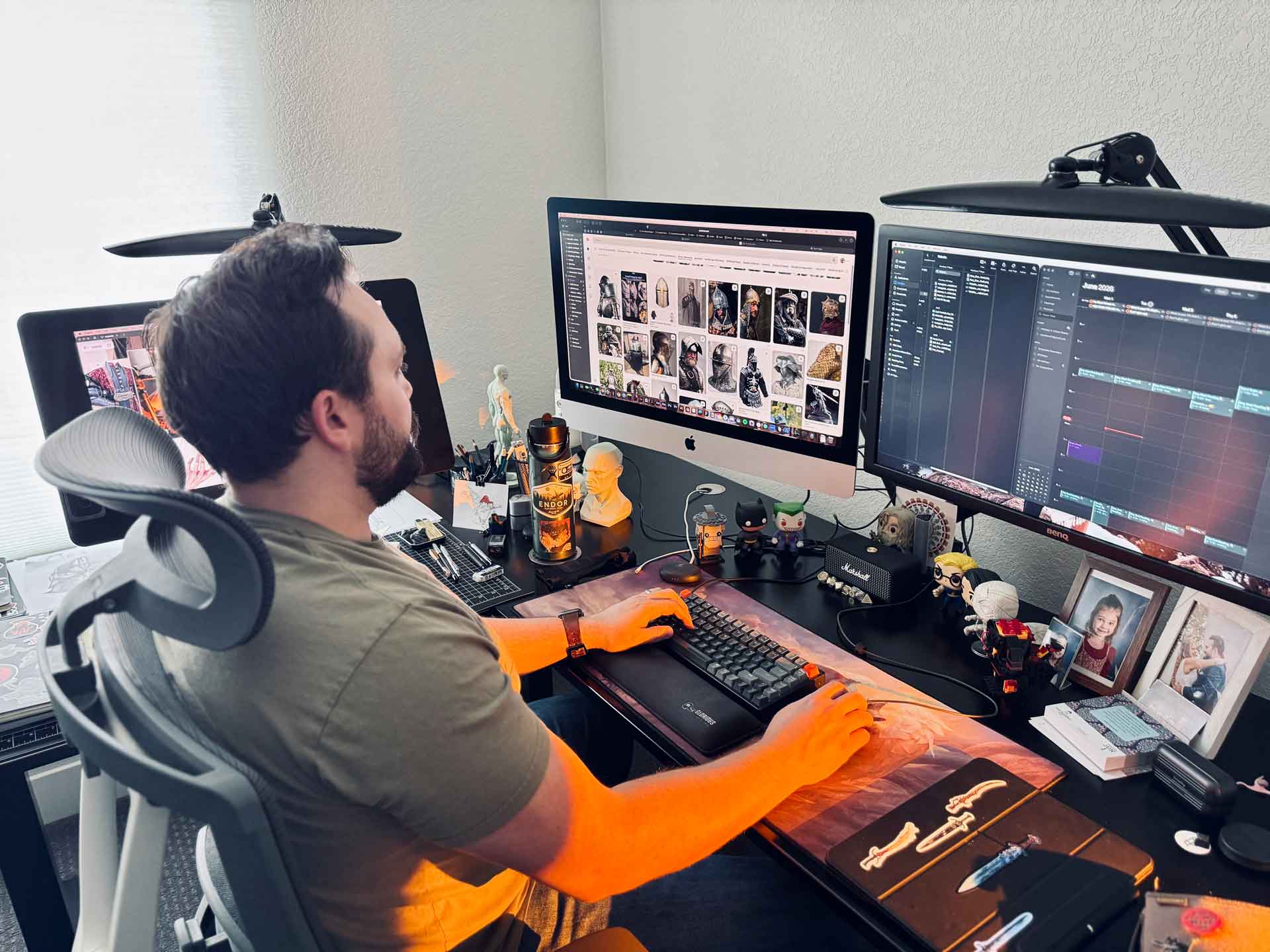
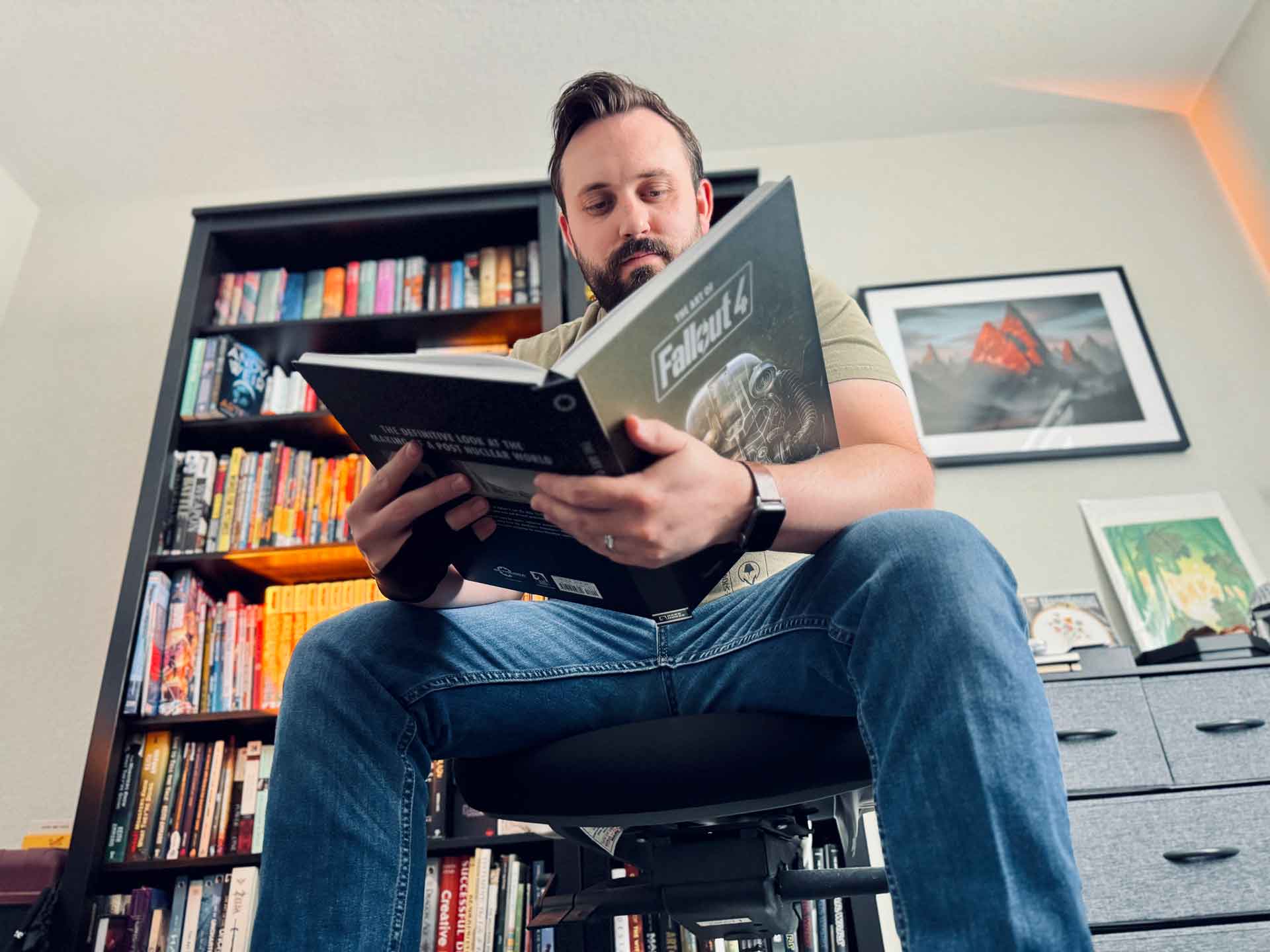
Once I have a clear direction defined, that’s when I begin to refine the idea by gathering reference and inspiration. This is where I might discard or dig deeper into my concept. I also look for inspiration for what the mood of the concept will be. This can be things like color palettes, costume design, posing, props, movie inspirations, and game design inspirations. At this stage, I’m beginning to think about how I want something to function and also how I want the viewer to feel.

Sketching & Thumbnailing

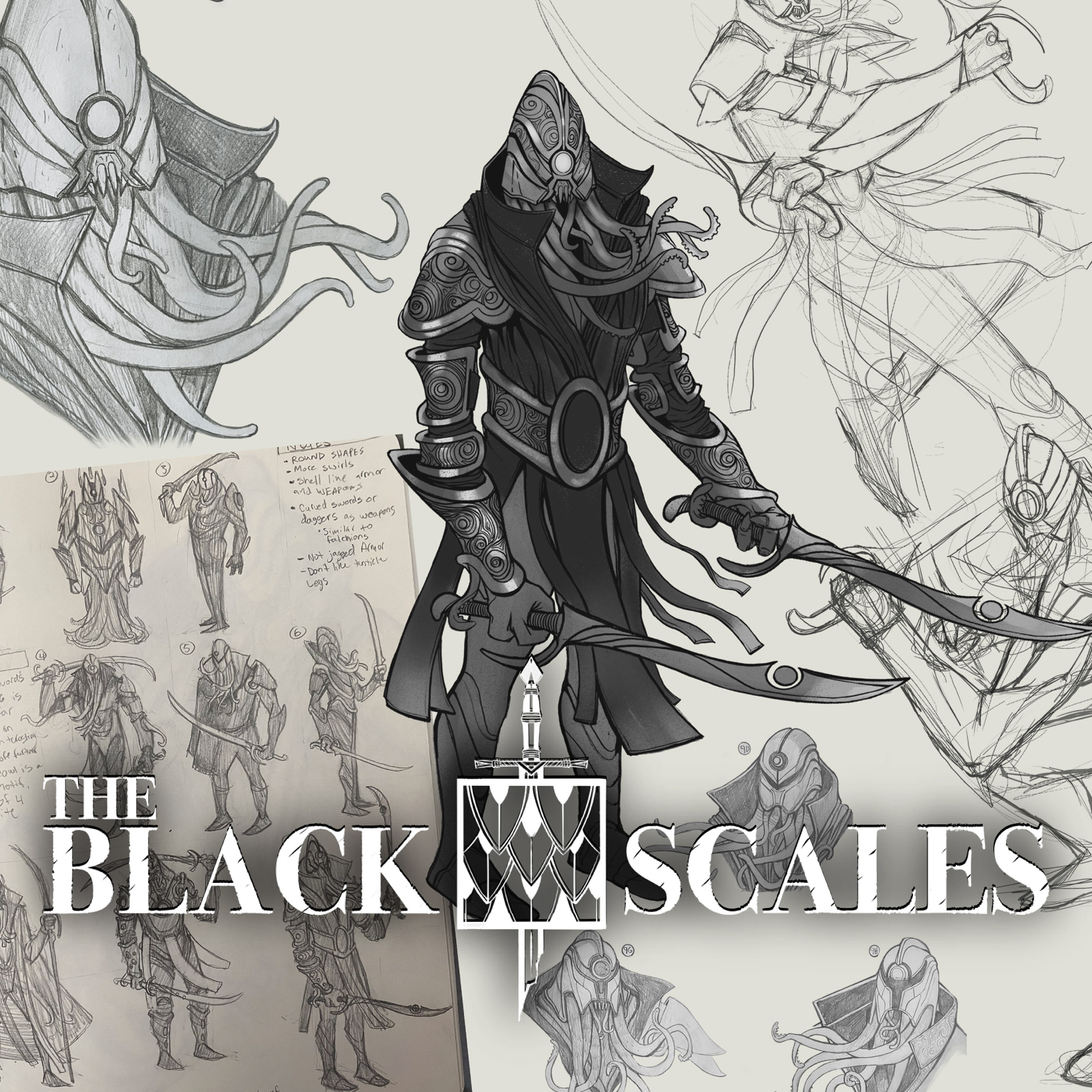
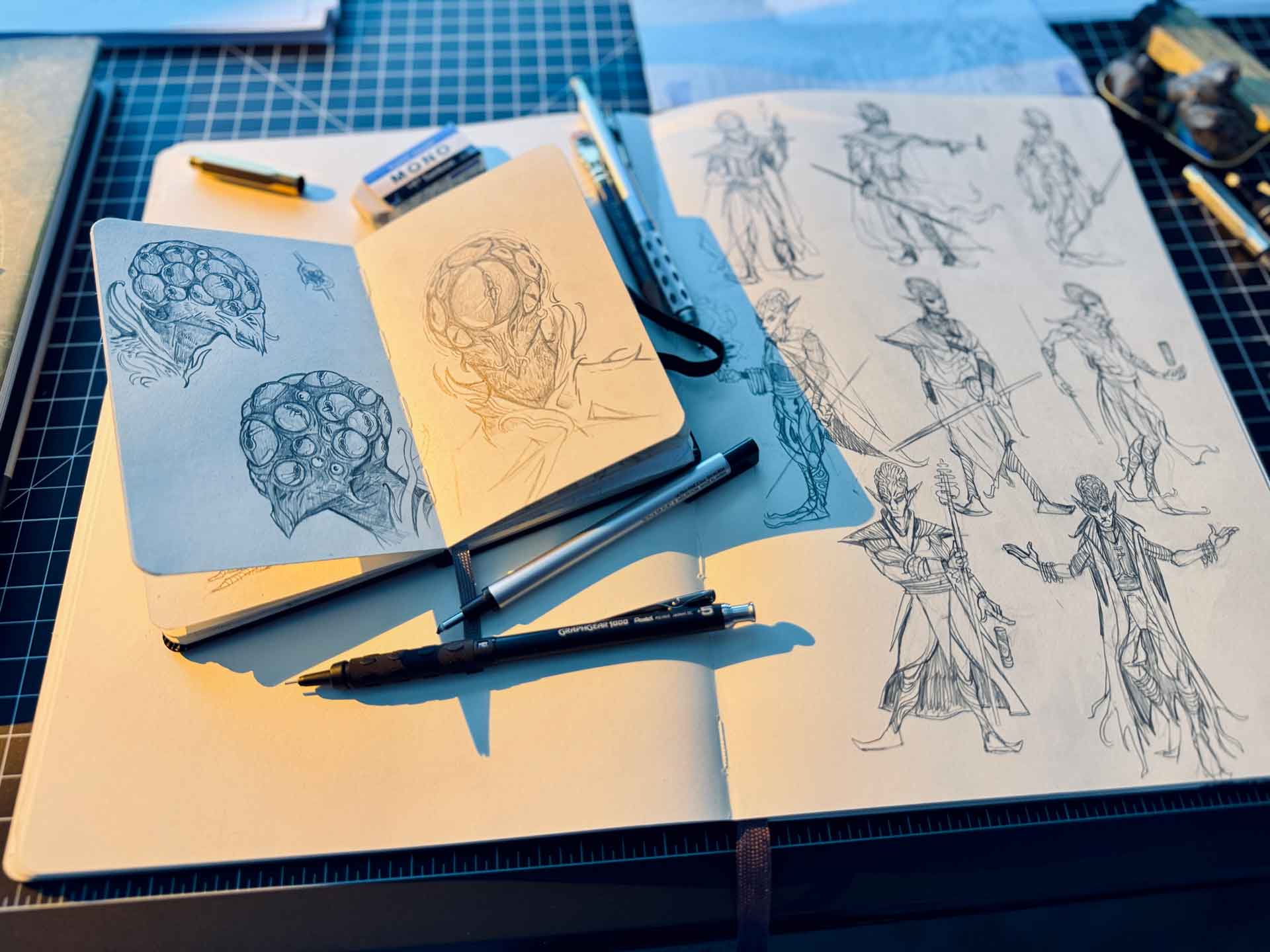
Now that I’ve reinforced my initial art direction, it’s time to explore how things feel visually. I want to see what actually works on the page, what combinations work with silhouette, proportion, and readability. I’m not trying to polish at this stage; I simply want to get as many ideas out and into in my sketchbook as possible. Some ideas I may begin with don’t work when applied. Especially for game design, you want readability to be fast, so this stage helps with that when creating an enemy or element the player will interact with. It’s also an important point of collaboration. This allows me or my art director to figure out what to build on and what to abandon.

Design Iterations

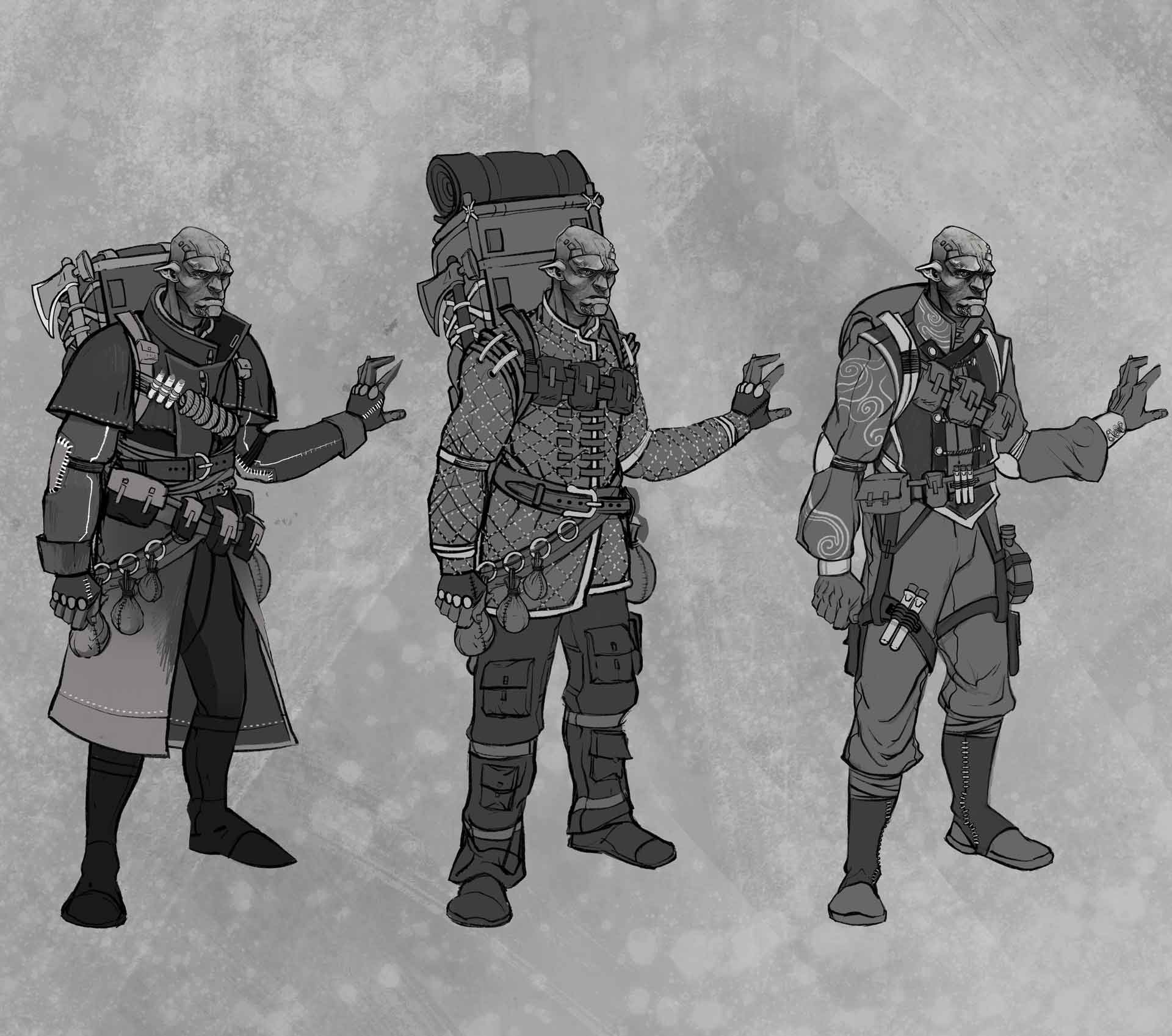
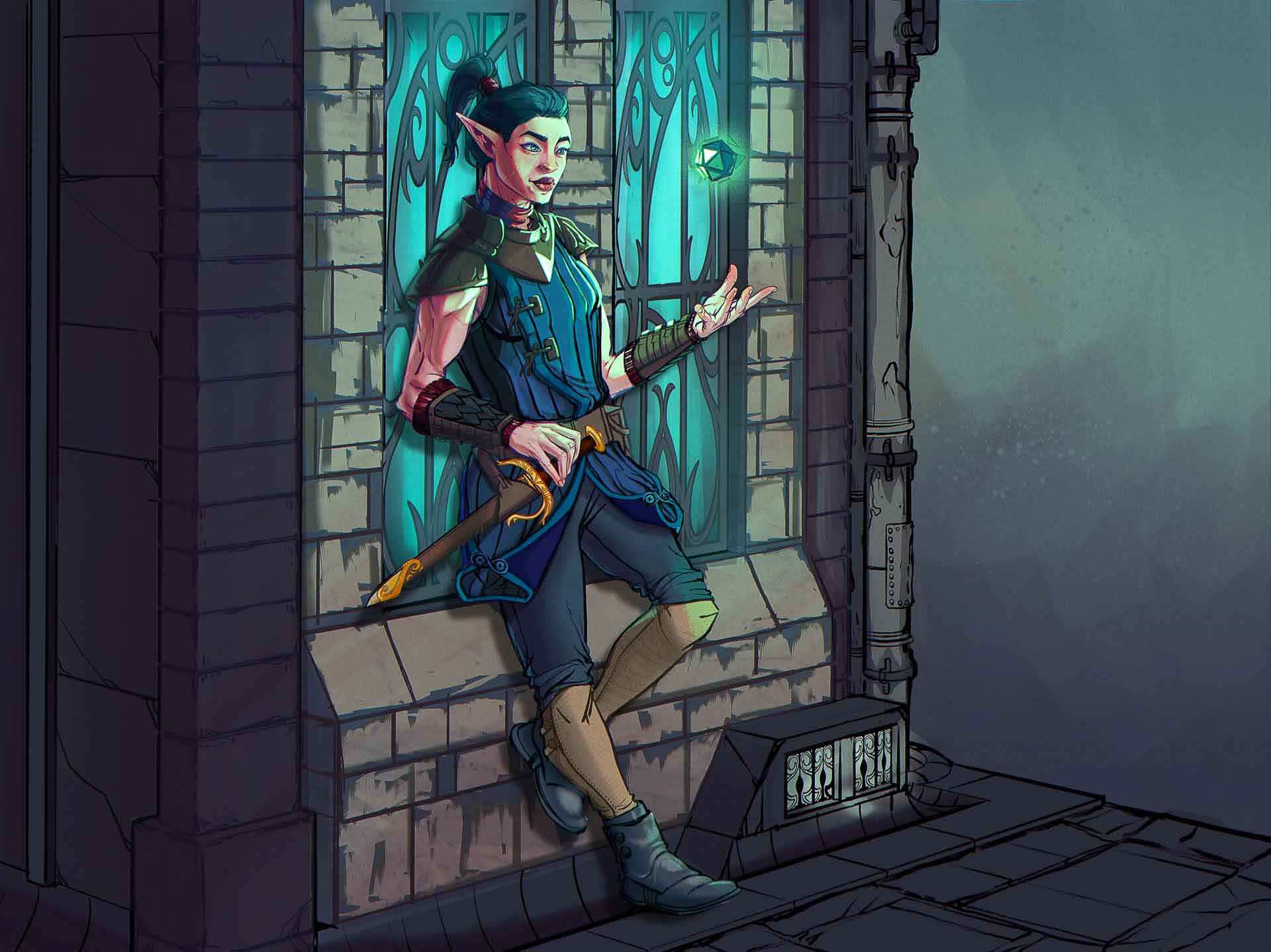
The best sketches are then pushed through multiple variations. When designing a character, for example, I want to explore the poses that communicate their personality the best. Our brains are extremely quick at making judgments based on silhouette, posing, color, and what a character is wearing. So I want that initial read to be as clear as possible. Of course, occasionally it is fun to subvert those expectations. Knowing the rules makes it easier to break them effectively.

Feedback & Self-Reflection

Feedback is critical to my entire process. So, I seek feedback early and often. Every concept needs room to breathe and time for reflection. While I’m working, I’m constantly self-reviewing, stepping back, and asking others for feedback. This stage is where the most refined ideas are determined and decisions are made on which ideas to double down on and what to push forward to the finish line. It's also where practical considerations come into play. If I'm working on a game, I need to consider things like production constraints, budgets, technical requirements, and implementation. Great ideas still need to function within reality.

Refine the Idea

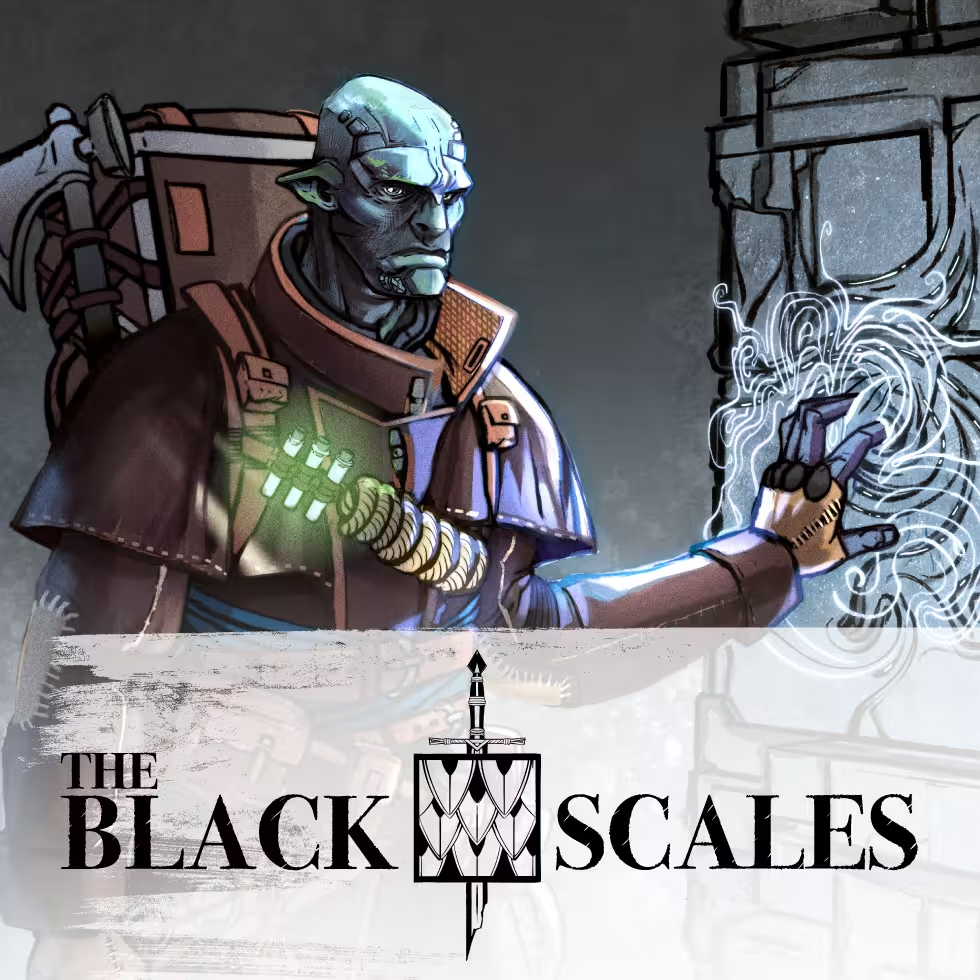
With my final direction locked, it’s time to enhance clarity. Details are removed or emphasized, materials are defined, and I ensure every element is there to support the initial goals of the concept. If I'm creating an enemy, I want the silhouette, threat level, and gameplay function to be immediately understandable. Every decision should support the story, the gameplay, or both.

Rendering

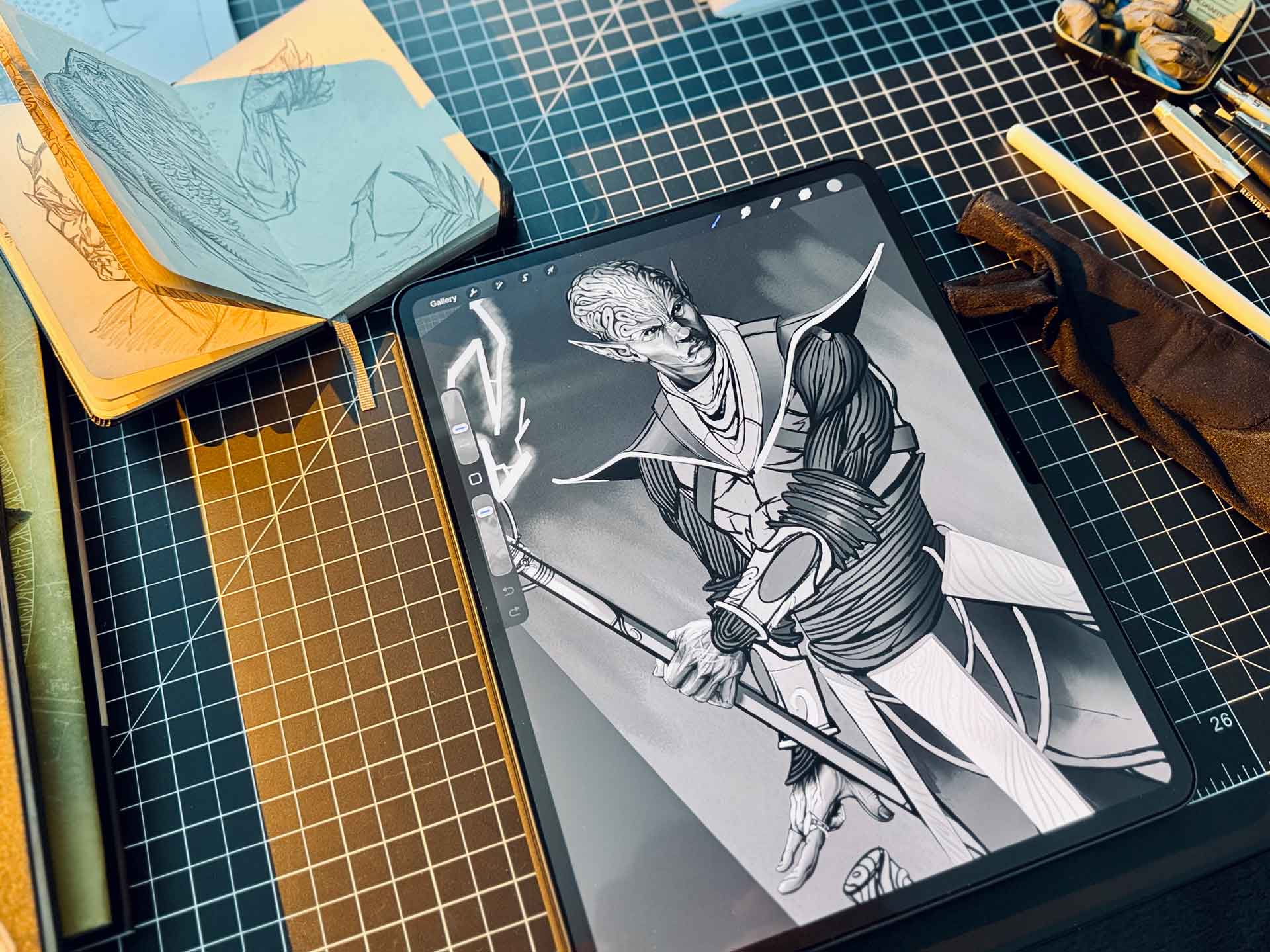
Rendering is where I reinforce material definition, mood, and lighting to double down on the art direction. Not every concept requires the same level of finish. The amount of rendering should always serve the communication goals of the piece. My focus is on providing the information needed for the next stage of production while maintaining clarity and readability.

Good rendering can make downstream teams' jobs easier. That's one of the reasons this step matters.

Color

Color is an important part of how I communicate intent, mood, and hierarchy within a design. I use it to reinforce the goals of the concept, whether that’s directing attention, supporting readability, establishing a mood, or helping communicate gameplay information. Like every other stage of the process, color choices are made in service of clarity and the overall art direction.

One of my favorite examples of color communication comes from Star Wars: A New Hope. The stormtroopers are dressed entirely in white, and then suddenly Darth Vader enters dressed in black with that unmistakable breathing apparatus. Before he says a word, the color design tells you exactly where your attention should go. You immediately understand that he's important. I always strive to use color in that way.

Post Production

The final stage is about presentation and communication.

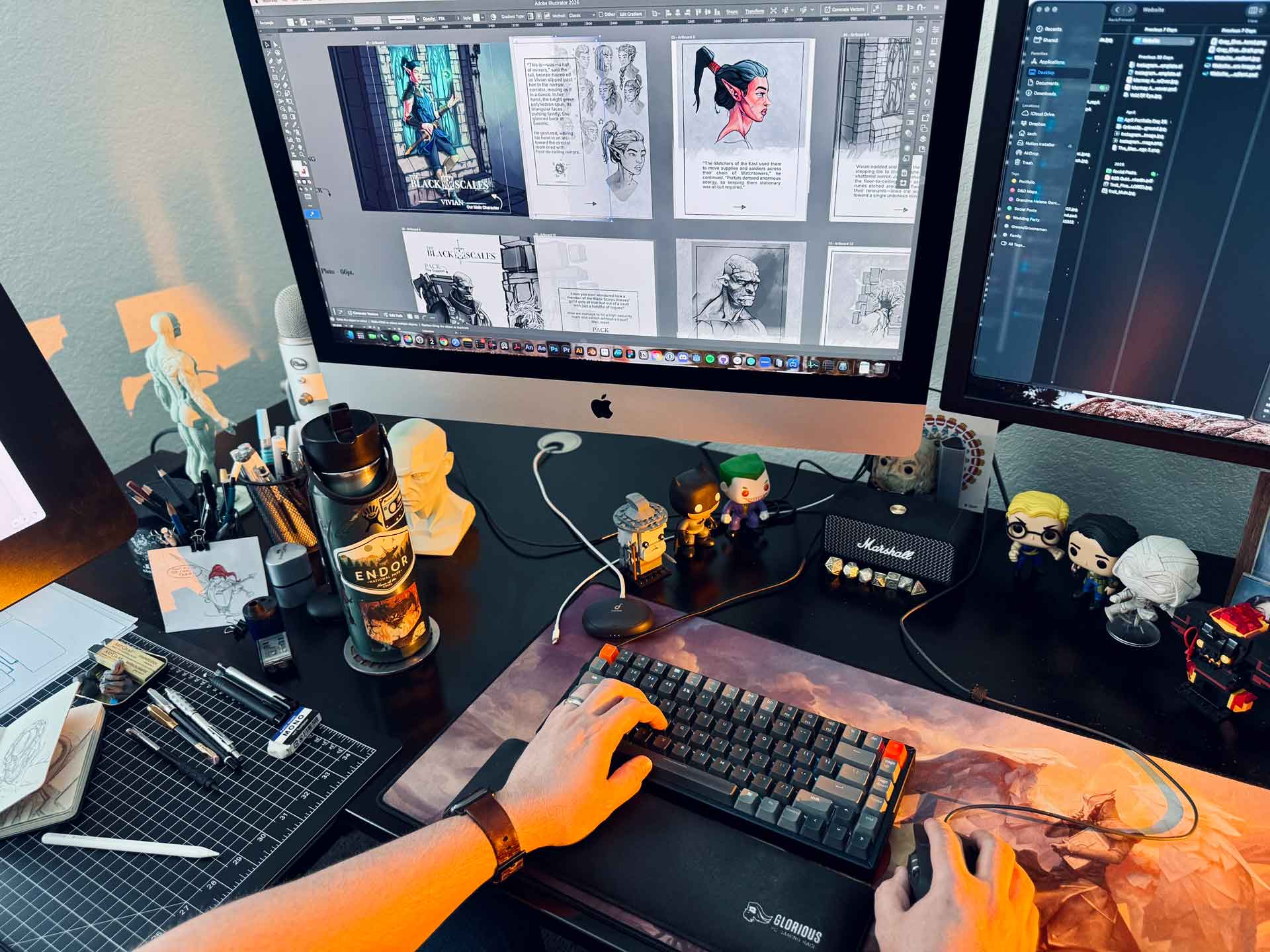
This is where I create materials and supporting documentation that help communicate the design to the people who will use it. Depending on the project, that might mean building a clean presentation sheet, creating material reference pages, or clarifying technical details.

Whether the audience is a player, viewer, art director, 3D modeler, animator, engineer, or another artist, my goal is always the same: make the idea as clear as possible for the people who come after me.